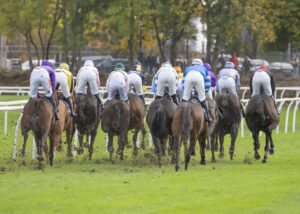
Owning a racehorse is an exciting experience, whether you’re watching your horse sprint towards the finish at a summer Flat meeting or tackle the fences over the winter.
For anyone considering buying a share in a racehorse, one of the first decisions is whether to choose a Flat horse or a National Hunt (jump) horse. Both offer fantastic ownership experiences, but there are some important differences in how the horses race, when they compete and how their careers develop.
In this guide, we’ll explain the difference between Flat and jump racing, what you can expect as an owner and how to decide which type of racehorse ownership is right for you.
What Is Flat Racing?
Flat racing is exactly what the name suggests. Horses compete against each other over a set distance without having to jump any obstacles.
Races in Britain generally range from five furlongs (approximately 1,000 metres) to two miles or further, testing different combinations of speed, stamina and tactical ability.
Flat horses typically begin their racing careers at two or three years old, although many continue competing well beyond this age.
The British Flat turf season traditionally runs from spring through to autumn, with major meetings including Royal Ascot, the Epsom Derby Festival, Glorious Goodwood, York’s Ebor Festival, Newmarket’s Guineas Festival and Doncaster’s St Leger Festival.
However, Flat racing isn’t limited to the warmer months. Britain’s all-weather racecourses, including Kempton, Wolverhampton, Southwell, Newcastle, Chelmsford and Lingfield, provide opportunities for horses to race throughout the year.
For owners, Flat racing can offer the excitement of seeing young horses make their debuts, develop their ability and potentially progress into valuable handicaps or prestigious Group races.
At Racing Club, we have enjoyed success with several Flat horses including Redbud Sixteen, Lucky Luna and Magic Runner, giving our owners plenty of memorable days at the racecourse.
Shares in our Flat racehorses start from just £40, making it an affordable way to experience the excitement of ownership. Explore our available Flat racehorse shares here.
What Is National Hunt Racing?
National Hunt racing, commonly known as jump racing, involves horses competing over longer distances, usually while jumping hurdles or fences.
There are three main types of National Hunt races:
- Hurdle races: Horses jump a series of relatively low obstacles, often providing an introduction to jumping before progressing to fences.
- Steeplechases: Horses tackle larger, more substantial fences, requiring jumping ability, stamina and bravery.
- National Hunt Flat races (bumpers): Races run without obstacles, generally designed to introduce young jump horses to racing before they begin their hurdling careers.
Unlike Flat horses, National Hunt runners generally begin their careers at an older age and often continue racing well into their later years.
Jump racing takes place throughout the year, but its traditional season reaches its peak during autumn, winter and into the spring. Major events include the Cheltenham Festival, Aintree’s Grand National Festival and the King George VI Chase at Kempton.
For many racing enthusiasts, the appeal of National Hunt ownership comes from watching a horse develop over several seasons, potentially progressing from a bumper through novice hurdles and eventually into chasing.
Racing Club owners have experienced this journey with many successful horses such as Wendigo, who progressed from an impressive novice hurdler into a Grade 2-winning chaser.
With shares in our National Hunt horses starting from just £50, you can enjoy the thrill of jump racing without the expense of owning a horse outright. Explore our available jump racehorse shares here.
Flat vs Jumps Racing: The Key Differences
Although both disciplines offer the excitement of racehorse ownership, there are several differences worth considering.
| Feature | Flat Racing | National Hunt Racing |
|---|---|---|
| Obstacles | No jumps | Hurdles or fences, except bumpers |
| Typical distances | 5 furlongs to 2 miles or further | Around 2 miles to 4 miles or further |
| Main season | Spring to autumn | Autumn to spring |
| Year-round racing | Yes, including all-weather | Yes, including summer jumping |
| Typical starting age | 2–3 years old | Generally 3–5 years old or older |
| Main qualities | Speed, acceleration and stamina | Stamina, jumping ability and endurance |
| Major events | Royal Ascot, Epsom Derby, Glorious Goodwood | Cheltenham Festival, Grand National, King George VI Chase |
| Racing Club share prices | From £40 | From £50 |
Neither discipline is necessarily better than the other. The right choice depends on the type of racing you enjoy and what you hope to experience as an owner.
What Is It Like To Own A Flat Racehorse?
Flat racehorse ownership can be particularly appealing to those who enjoy fast-paced racing and the excitement of seeing young horses develop.
Many Flat horses begin their careers as two-year-olds, meaning owners can follow their progress from their first racecourse appearance.
Some horses show their ability immediately, while others improve as they gain experience, mature physically or step up in distance.
One of the biggest attractions is the variety of racing opportunities available. Owners can enjoy summer afternoons at some of Britain’s most prestigious racecourses, while all-weather racing provides additional opportunities throughout the winter.
Flat racing can also be particularly exciting when a horse progresses through the handicap system or develops into a contender for valuable races.
For example, Racing Club’s Lord d’Or has consistently performed well in competitive company for trainer Andrew Balding, giving his owners the opportunity to follow a talented horse competing at some of Britain’s leading racecourses.
Similarly, Redbud Sixteen has provided her owners with memorable victories at Salisbury and Newbury.
While Flat horses can have shorter racing careers than their National Hunt counterparts, this isn’t always the case. Many continue racing successfully for several seasons.
What Is It Like To Own A National Hunt Racehorse?
National Hunt ownership offers a slightly different experience, with much of the appeal coming from following a horse’s development over several seasons.
Jump horses often begin in bumpers or novice hurdles before progressing into more competitive races as they gain experience.
Some eventually make the transition to chasing, where they tackle larger fences and potentially compete in some of the sport’s most prestigious contests.
This progression can make National Hunt ownership particularly rewarding, as owners get to know their horses and follow their careers over an extended period.
The atmosphere at major jump meetings is another significant attraction. Events such as the Cheltenham Festival and Aintree’s Grand National meeting attract passionate crowds, creating memorable experiences for those fortunate enough to have a runner.
At Racing Club, Wendigo has provided an excellent example of the excitement National Hunt ownership can offer.
Trained by Jamie Snowden, he established himself as a talented novice hurdler before making an impressive transition to chasing, winning the Grade 2 John Francome Novices’ Chase at Newbury.
For his owners, following that progression and enjoying success at a high level has been a fantastic experience.
Racing Club’s A Path To Ronda has also provided her owners with some fantastic experiences, including a trip to Fairyhouse in Ireland, where she competed in a Grade 1 contest at the Irish Grand National Festival. It was a memorable opportunity for her owners to enjoy top-level racing on an international stage.
Of course, jump racing also presents different challenges. Horses must develop their jumping technique, and the physical demands of racing over obstacles mean that patience and careful management are particularly important.
Is Flat Or National Hunt Ownership More Expensive?
One of the most common questions prospective owners ask is whether Flat or National Hunt racehorse ownership costs more.
The answer depends on the horse, the trainer, the ownership arrangement and what is included in the syndicate.
Traditional racehorse ownership can involve significant expenses, including training fees, veterinary bills, transport, race entries and other associated costs.
However, joining a racing syndicate allows these costs to be shared between multiple owners, making ownership much more accessible.
At Racing Club, Flat racehorse shares start from just £40, while National Hunt shares start from £50, making both disciplines accessible to racing enthusiasts.
Our fixed-term syndicates include the horse’s training and running costs within the share price, with no additional payments required during the agreed ownership term.
This means you can enjoy the excitement of owning a racehorse without having to fund the substantial costs associated with sole ownership.
Rather than choosing between Flat and National Hunt racing based purely on price, it’s worth considering the individual horse, its prospects and the benefits included in the ownership package.
Always check the syndicate terms before purchasing, including the ownership period, what costs are covered and what happens when the term ends.
Which Type Of Racehorse Ownership Is Better For Beginners?
Both Flat and National Hunt ownership can be excellent choices for someone purchasing their first racehorse share.
Flat racing may appeal if you enjoy shorter races, summer racing festivals and following young horses as they begin their careers.
National Hunt racing may be more suitable if you enjoy the traditional winter racing season, watching horses jump and following their development over several years.
There is no need to have extensive racing knowledge before becoming an owner.
Joining a syndicate is a great way to learn more about the sport, follow a horse’s progress and enjoy the ownership experience alongside fellow racing enthusiasts.
Many owners also choose to have shares in both Flat and jump horses, allowing them to enjoy racing throughout the year.
Can You Own Both Flat And Jump Racehorses?
Absolutely! In fact, owning shares in both disciplines is a popular way to enjoy a more varied racing experience.
Having a Flat horse to follow during the summer and a National Hunt horse competing through the winter can provide regular opportunities to enjoy the sport.
There is also plenty of crossover between the two disciplines. Some horses begin their careers on the Flat before switching to hurdles, particularly those with the stamina and physical attributes suited to jumping.
At Racing Club, horses such as Stepanov and Changing Lanes have moved from Flat racing into National Hunt careers, demonstrating how a horse’s racing journey can develop in different directions.
Owning shares in multiple horses also gives you the opportunity to follow different trainers, visit different racecourses and experience a wider variety of racing.
Flat vs National Hunt Ownership: Which Should You Choose?
Ultimately, there is no right or wrong answer when deciding between Flat and National Hunt ownership.
If you enjoy the speed of Flat racing, the excitement of summer festivals and watching young horses develop, a Flat racehorse could be the perfect choice.
If you prefer the atmosphere of winter racing, the spectacle of jumping and the prospect of following a horse through several seasons, National Hunt ownership may be more appealing.
Whichever you choose, owning a share in a racehorse offers the chance to experience the sport from a different perspective.
At Racing Club, we make racehorse ownership accessible to racing enthusiasts, offering shares in both Flat and National Hunt horses trained by some of Britain’s leading trainers.
Whether you’re looking for your first share or hoping to add another horse to your ownership portfolio, we have a range of exciting opportunities available.
Ready to experience racehorse ownership?
View Our Flat Racehorses – Shares From £40
View Our National Hunt Racehorses – Shares From £50
Frequently Asked Questions
What Is The Main Difference Between Flat And National Hunt Racing?
The main difference is that Flat racing takes place without obstacles, while National Hunt racing generally involves horses jumping hurdles or fences. National Hunt also includes bumper races, which are run without obstacles.
Do Flat Or Jump Horses Race More Often?
There is no fixed rule. The number of races depends on the individual horse, its fitness, ability, training programme and suitability for different conditions. Some Flat horses race regularly throughout the year, while jump horses may have longer breaks between runs.
Can A Flat Horse Become A Jump Horse?
Yes. Many successful National Hunt horses began their careers on the Flat before switching to hurdles. Horses with suitable stamina, athleticism and jumping ability can make the transition successfully.
Is National Hunt Ownership More Expensive Than Flat Ownership?
Not necessarily. Ownership costs depend on the horse and syndicate arrangement rather than simply the racing discipline. At Racing Club, Flat shares start from £40 and National Hunt shares from £50.
Can I Own A Racehorse Without Paying Training Fees?
Yes. Some racing syndicates, including Racing Club’s fixed-term ownership packages, include training and other running costs within the share price, with no additional payments during the agreed term. Always check the specific syndicate terms before purchasing.